




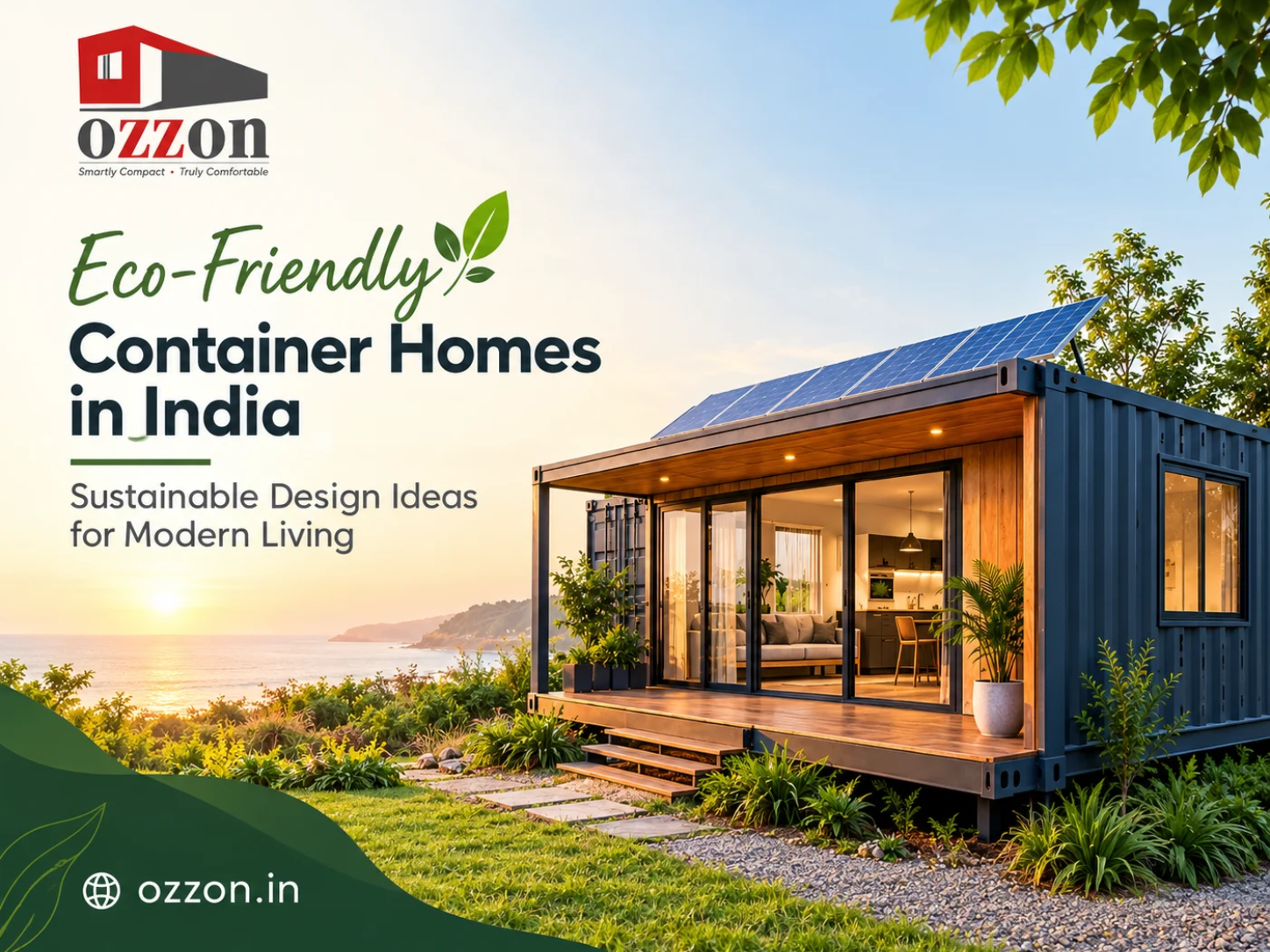
Modern homeowners are exploring smarter ways to create comfortable living spaces while reducing environmental impact. Eco-friendly container homes offer an innovative approach by transforming shipping containers into functional residences with contemporary designs, efficient layouts, and sustainable features.
Across India, these homes can be designed for farmhouses, weekend retreats, holiday cottages, and compact permanent residences. With thoughtful planning, they combine modern aesthetics with practical living.
What Makes Container Homes Eco-Friendly?
Container homes reuse existing steel structures, potentially reducing demand for new construction materials. Their modular design also supports controlled fabrication and can help minimise on-site waste.
However, sustainability depends on more than reusing a container. Responsible material selection, energy-efficient interiors, proper insulation, and long-term durability are equally important when planning an environmentally conscious home.
Sustainable Design Ideas for Container Homes
1. Prioritise Thermal Insulation
Indian summers can make uninsulated steel structures uncomfortable. High-quality wall and ceiling insulation, reflective exterior coatings, and shaded roofing help manage indoor temperatures. Suitable ventilation and moisture control are essential, particularly in humid coastal regions.
2. Maximise Natural Light and Ventilation
Strategically positioned windows, ventilators, and glazed doors can brighten interiors and encourage airflow. Cross-ventilation may reduce dependence on air conditioning when local weather conditions permit. External shading can also limit excessive heat gain.
3. Incorporate Solar Energy
Solar panels can supply renewable electricity for lighting, fans, appliances, and other household needs. Energy-efficient LED lights and appropriately sized appliances further reduce consumption. Battery storage may provide additional flexibility where required.
4. Choose Sustainable Interior Materials
Create a welcoming atmosphere with responsibly sourced timber, recycled furnishings, low-emission paints, and durable flooring. Multifunctional furniture, wall-mounted storage, and foldable tables make compact layouts more practical without sacrificing style.
5. Save Water and Create Green Spaces
Rainwater harvesting, water-saving taps, and efficient plumbing can support responsible water use. Native plants, kitchen gardens, and shaded outdoor seating enhance the surroundings while helping the property connect with nature.
6. Plan Flexible Living Spaces
Modular construction makes it possible to explore different configurations. A single unit can accommodate a compact residence, while multiple containers may create separate bedrooms, living areas, or larger family spaces. Every design should account for structural reinforcement where walls are modified.
Benefits of Sustainable Container Living
Well-designed container residences offer several potential advantages:
- Efficient construction: Off-site fabrication can reduce on-site work and shorten project schedules.
- Flexible layouts: Interiors and configurations can be tailored to individual requirements.
- Resource-conscious design: Reusing suitable containers may reduce material waste.
- Modern appearance: Industrial elements can complement minimalist interiors and landscaped surroundings.
- Adaptable applications: These structures can serve as holiday homes, farmhouses, guest accommodation, or permanent residences.
Actual costs, environmental benefits, and performance depend on the container's condition, design specifications, transport, installation, and maintenance requirements.
Build a Sustainable Home with OZZON
Choosing the right fabrication partner is an important step towards comfortable container living. OZZON offers customised portable container homes with options for different layouts, interior finishes, and residential requirements.
From compact rooms to configurations incorporating kitchens and bathrooms, thoughtful planning helps turn a simple steel structure into a practical living environment. Before construction, review site conditions, structural safety, insulation, drainage, and applicable local building permissions.
Explore container home solutions at OZZON and discuss a design that suits your space, lifestyle, and budget.
Frequently Asked Questions
1. Are eco-friendly container homes suitable for Indian weather?
Yes. Appropriate insulation, roof shading, ventilation, weatherproofing, and moisture management can improve comfort in different Indian climates.
2. Are container homes environmentally friendly?
They can be. Reusing suitable containers, reducing construction waste, installing energy-efficient systems, and conserving water can improve environmental performance.
3. Can I customise a container home?
Yes. Depending on the design, you can customise room layouts, windows, doors, interiors, kitchens, bathrooms, and exterior finishes.
4. Are container homes suitable for permanent living?
They can be suitable when properly engineered, insulated, ventilated, and connected to essential utilities. Structural safety and local building regulations must be addressed before occupation.
5. Do container homes require building permission in India?
Requirements vary by location, land use, and project specifications. Check with the relevant local authority and qualified professionals before installation.
Conclusion
Eco-conscious architecture is about making thoughtful choices at every stage of construction. With efficient insulation, renewable energy, water-saving systems, and well-planned interiors, container homes can offer a distinctive alternative for modern Indian living.
Explore customised solutions with OZZON to plan a functional space that reflects your design preferences and sustainability goals.
Comments are closed